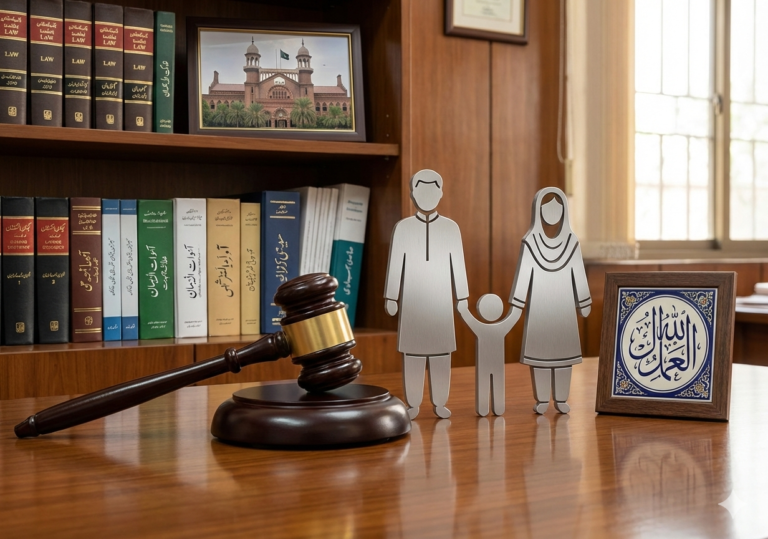
Family laws in Pakistan govern personal relationships, rights, and responsibilities within the family. These laws encompass marriage, divorce, maintenance, inheritance, child custody, guardianship, and protection against domestic abuse. The foundation of Pakistan’s family law system lies in Islamic principles, codified statutes such as the Muslim Family Laws Ordinance (MFLO) 1961/1964, the Dissolution of Muslim Marriages Act 1939, the Child Marriage Restraint Act, and various provincial amendments, while non-Muslim citizens follow their respective personal laws. These laws aim to balance traditional social norms with constitutional guarantees, human rights principles, and gender equity.
The Muslim Family Laws Ordinance (MFLO) 1961, later amended in 1964, is a cornerstone of Pakistan’s family law framework. It introduced reforms to regulate polygamy, divorce, and marriage registration. Under the MFLO, a man intending to contract a second marriage must obtain permission from a Family Court, demonstrating that he can meet financial and equitable requirements, thus preventing arbitrary or exploitative polygamous marriages.
The ordinance also mandated the registration of all marriages, ensuring proper documentation and legal recognition, which protects women and children from denial of marital rights. Judicial interpretation, such as in Mst. Zubaida vs. Muhammad Saleem (PLD 1972 SC 88), has reinforced the requirement that courts examine financial and welfare aspects before granting permission for additional marriages, thereby upholding women’s protection.
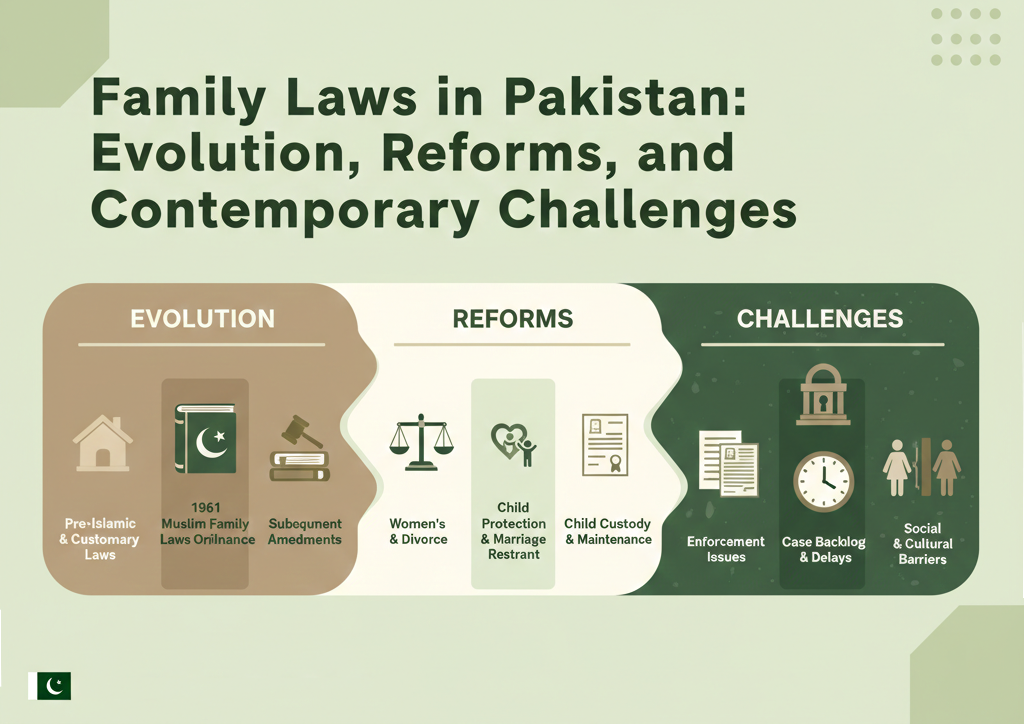
Divorce laws under the MFLO and the Dissolution of Muslim Marriages Act 1939 provide structured mechanisms for termination of marriage. Talaq (by husband) and Khula (by wife) require adherence to formal procedures, notice, and court oversight. Courts ensure that women receive maintenance, dower (Mehr), and property rights as mandated by law. Key judicial precedents, such as Muhammad Rafique vs. State (PLD 1998 Lahore 44), have clarified women’s entitlement to maintenance post-divorce, ensuring alignment with Islamic injunctions and statutory requirements.
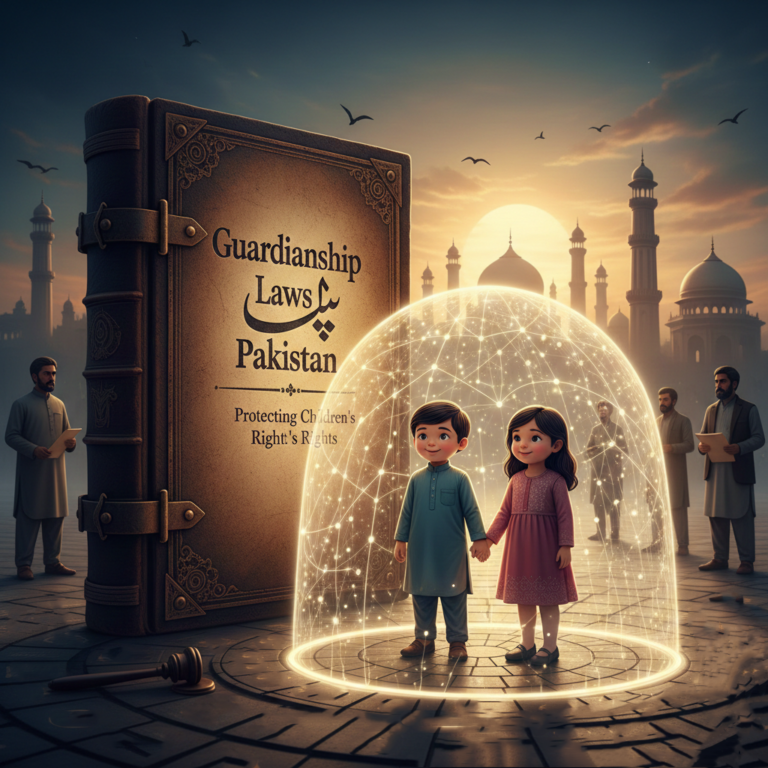
Child custody and guardianship are vital aspects of family laws. Courts determine custody based on the “best interest of the child,” taking into account age, gender, and welfare considerations. Guardianship laws govern the management of a child’s education, property, and upbringing, and the courts have consistently emphasized the importance of protecting the child from neglect or exploitation. Landmark rulings, including Syeda Parveen vs. Malik Amir (PLD 1992 SC 721), highlight that the welfare of the child is paramount, even superseding parental claims in some circumstances.
Inheritance laws in Pakistan are derived from Islamic injunctions and codified statutes, providing defined shares to male and female heirs. Judicial interpretations have evolved to ensure equitable treatment, particularly in cases where women were previously denied inheritance. Cases like Mst. Zahida Begum vs. Muhammad Aslam (PLD 1985 SC 210) emphasize strict adherence to Qur’anic shares and prevent informal settlements that compromise women’s inheritance rights.
Protection against domestic violence, child marriage, and exploitation has been strengthened through laws such as the Protection of Women (Criminal Laws Amendment) Act 2006, and provincial domestic violence acts in Sindh, Punjab, and Khyber Pakhtunkhwa. Courts and mediation centers now provide avenues for reconciliation while ensuring legal safeguards. However, challenges remain due to societal norms, lack of awareness, and limited access to legal services, particularly for rural women. Informal customs often conflict with statutory provisions, undermining legal protection.
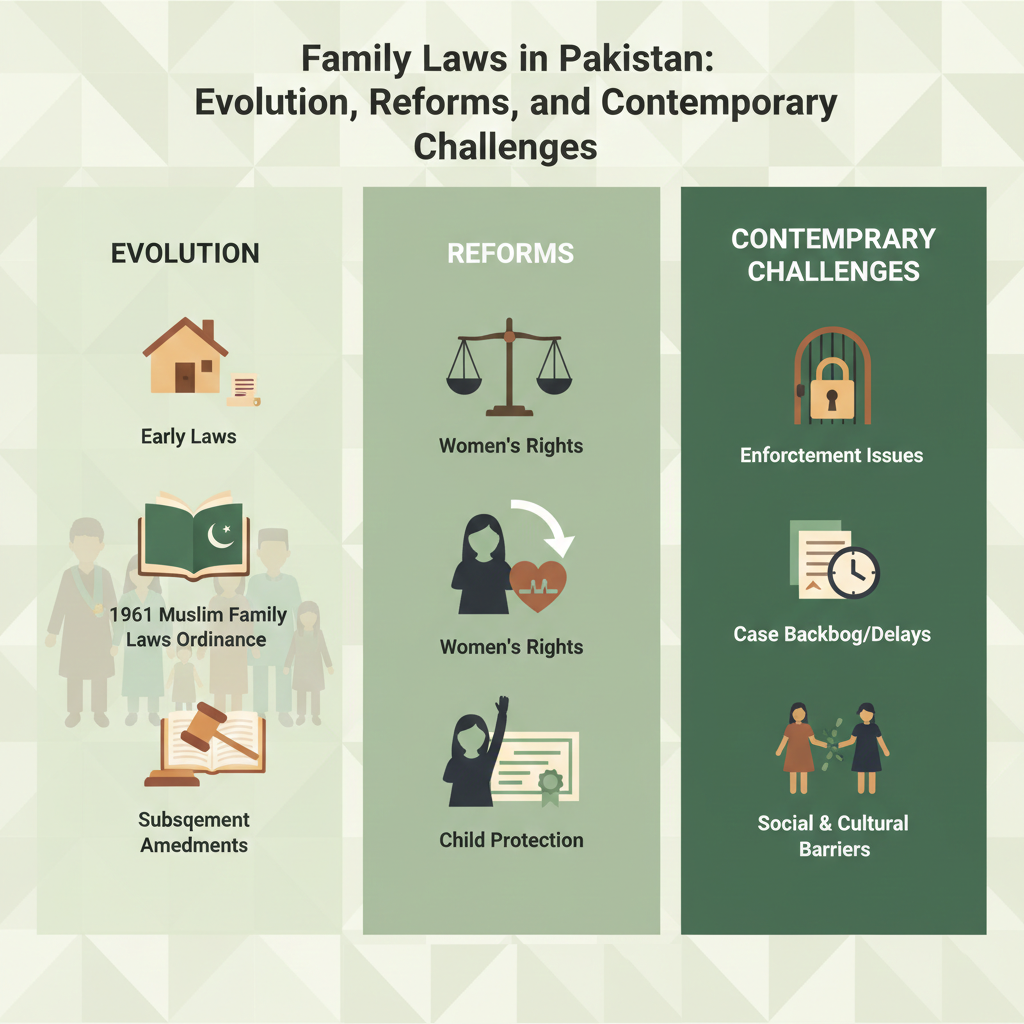
Provincial variations have introduced additional reforms. Sindh and Punjab have enacted specific family courts laws to expedite cases and facilitate mediation. These courts prioritize reconciliation, provide simplified procedures, and enable enforcement of maintenance and custody orders. Khyber Pakhtunkhwa has also introduced amendments to strengthen women’s rights in marriage and divorce cases. These provincial initiatives demonstrate evolving approaches to implementing family laws in line with local needs.
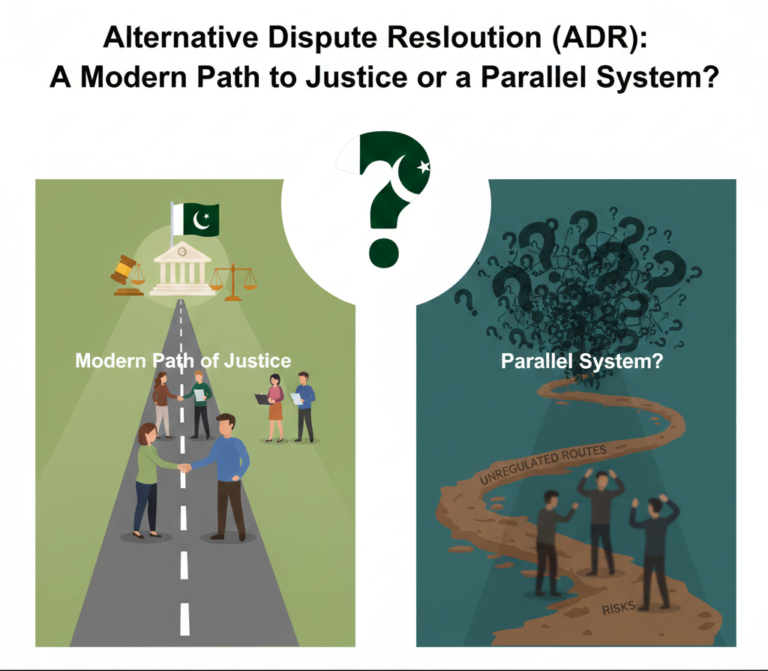
Modern challenges include ensuring women’s inheritance rights, addressing child custody disputes, regulating maintenance in blended or polygamous families, and preventing forced or early marriages. Judicial activism, such as Mst. Farzana vs. Muhammad Iqbal (PLD 2004 Lahore 201), has contributed to reinforcing legal protections against arbitrary practices and ensuring that statutory provisions are applied effectively. Continuous reforms are needed to address gaps in enforcement, raise public awareness, and integrate alternative dispute resolution mechanisms in family matters.
In conclusion, family laws in Pakistan, anchored by the Muslim Family Laws Ordinance 1961/1964, the Dissolution of Muslim Marriages Act, and other statutes, reflect a careful balance between Islamic principles, statutory regulation, and contemporary human rights considerations. Judicial interpretations and provincial reforms have strengthened protections for women and children, while challenges in implementation persist.
Effective enforcement, public education, continued legal reforms, and judicial vigilance are essential to ensure that family laws achieve their intended objectives: protecting the rights of spouses, children, and other family members, promoting social harmony, and fostering gender equality. As Pakistan’s society evolves, family laws—including the MFLO 1961/1964—remain central to legal advocacy, reform, and safeguarding fundamental rights within the family structure.
Zafar Rahim Sukhera
Advocate High Court Ex-Assistant Advocate General Punjab